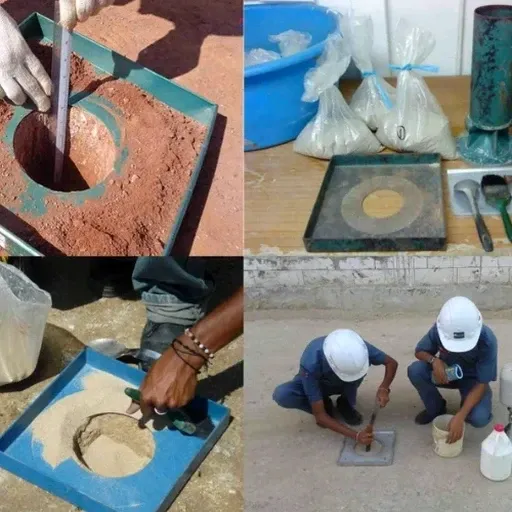
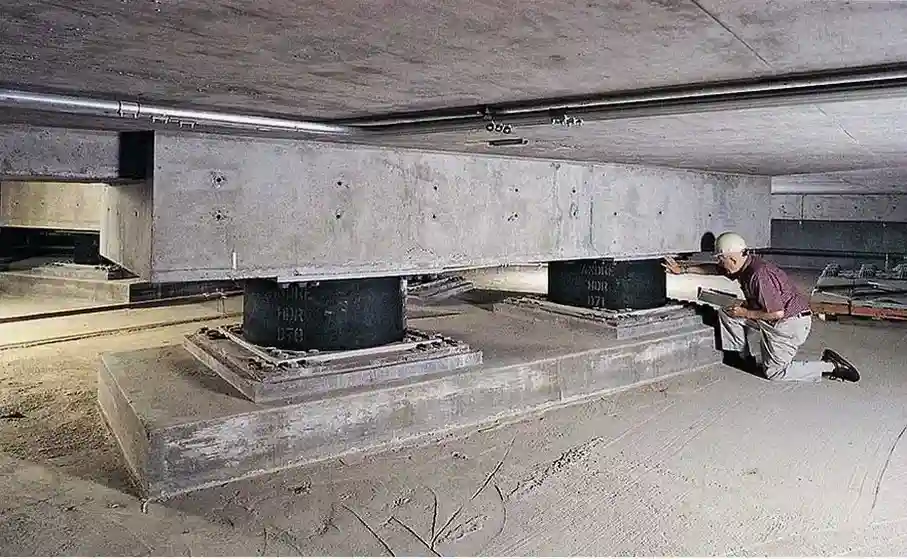
Huntsville sits near 34.73°N latitude, roughly 15 miles from the Tennessee River, on karst-influenced geology that adds complexity to any seismic design. The last moderate event felt widely here was the 2003 Fort Payne earthquake, which reminded engineers that North Alabama isn’t immune to ground motion. Base isolation seismic design separates a structure from ground movement using elastomeric or sliding bearings, but the system only works if the subsoil response is properly characterized. We run site-specific shear wave velocity profiles and dynamic lab tests to feed isolation parameters into the structural model. Without that link, even the best isolator can underperform. For deeper soil characterization we also provide seismic microzonation studies when liquefaction or basin effects are suspected beneath the site.
An isolator is only as reliable as the soil data behind it—Huntsville’s variable rockhead makes site-specific dynamic testing non-negotiable.