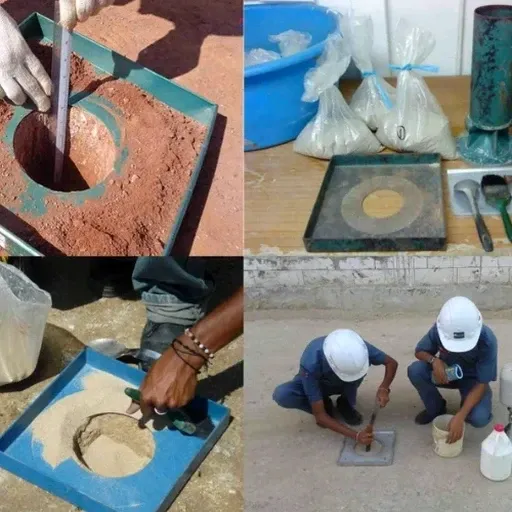
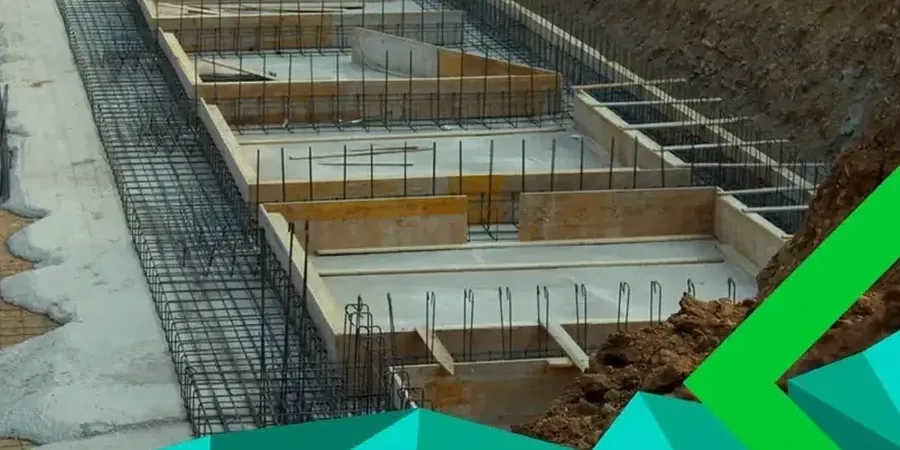
In Huntsville, many projects start with a straightforward question: can we place a footing directly on the native soil? The answer depends on what lies beneath. The Tennessee Valley geology here runs deep, shaped by the Mississippian-age Tuscumbia Limestone that forms much of the bedrock beneath the city. You encounter stiff residual clays one day, and weathered rock the next. Our approach to shallow foundation design begins with a clear understanding of that subsurface variability. We‘ve seen too many contractors surprised by a limestone pinnacle or a soft clay seam at footing depth. A well-executed geotechnical investigation, often starting with an in-situ permeability test to assess drainage around the footing zone, gives us the data to size spread footings or strip footings that perform reliably. We correlate field observations with ASTM D1586 SPT data and laboratory classification per ASTM D2487 to build a ground model that guides reinforcement detailing and excavation depths. The goal is always the same: a foundation that transfers load efficiently without excessive settlement, even when the underlying rock surface is irregular.
In Huntsville's karst terrain, a shallow foundation design is less about assuming uniform soil and more about anticipating where the limestone will be shallow, steep, or dissolved.