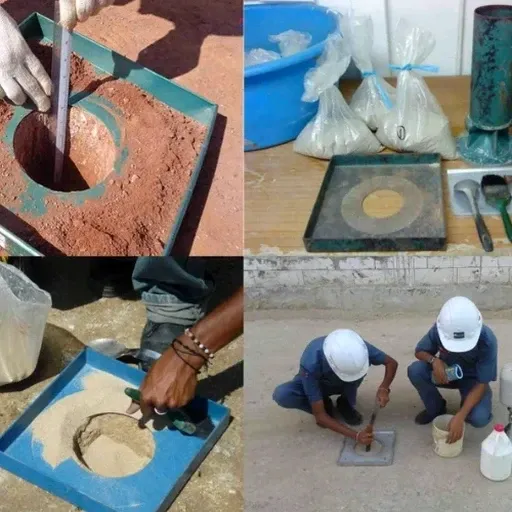
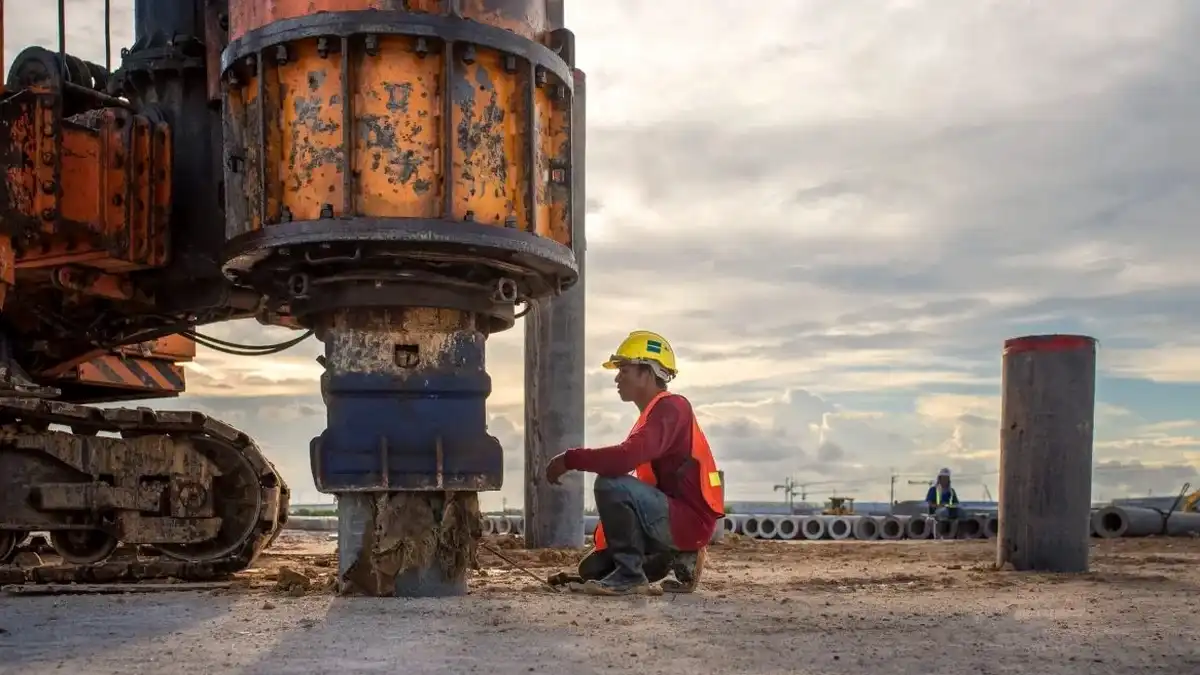
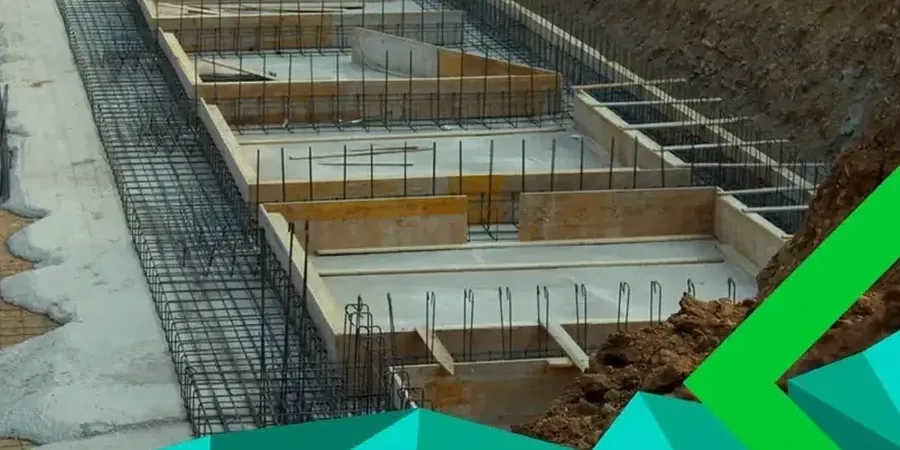
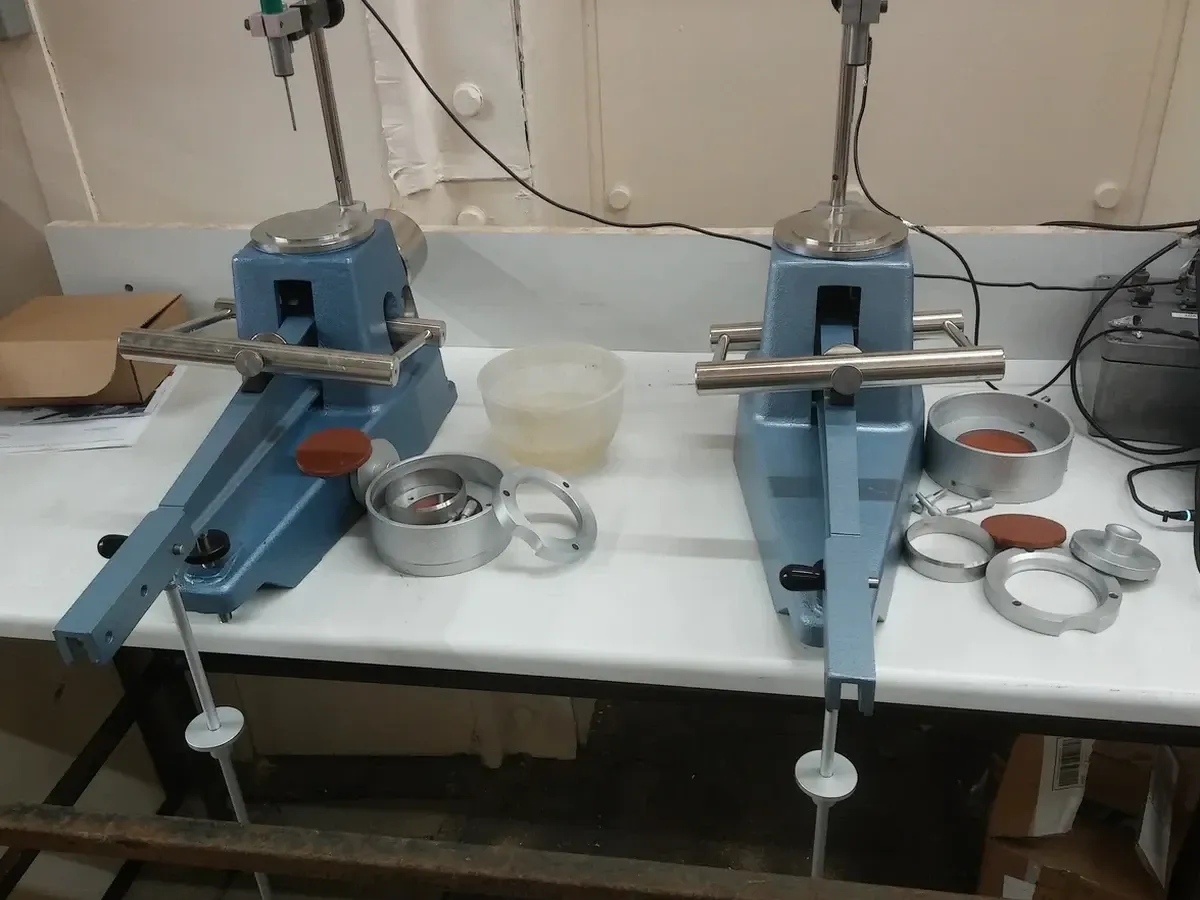
In Huntsville, we see a lot of residual clay from weathered limestone. The stuff can be stiff one day and a mess after a rain. That is where Atterberg limits come in. They give us the liquid limit, plastic limit, and plasticity index. Four numbers that define how your soil behaves with water. No guesswork. Just ASTM D4318 data. We run these tests on samples from the Madison County Limestone formation and the alluvial terraces near the Tennessee River. Getting the Atterberg limits early tells you if that clay will shrink, swell, or turn to soup. It saves foundation trouble later. If your site is in the 35801 to 35816 corridor, we can have results back in three days. For deeper exploration, we often pair this with an SPT drilling program to get split-spoon samples at the same depths.
Liquid limit and plasticity index are the two numbers that dictate foundation design in Alabama clay.