GEOTECHNICAL ENGINEERING
HUNTSVILLE
HomeUnderground ExcavationsGeotechnical design of deep excavations

Deep Excavation Design in Huntsville, AL — Karst & Bedrock Engineering

Geotechnical engineering with regional judgment.

LEARN MORE

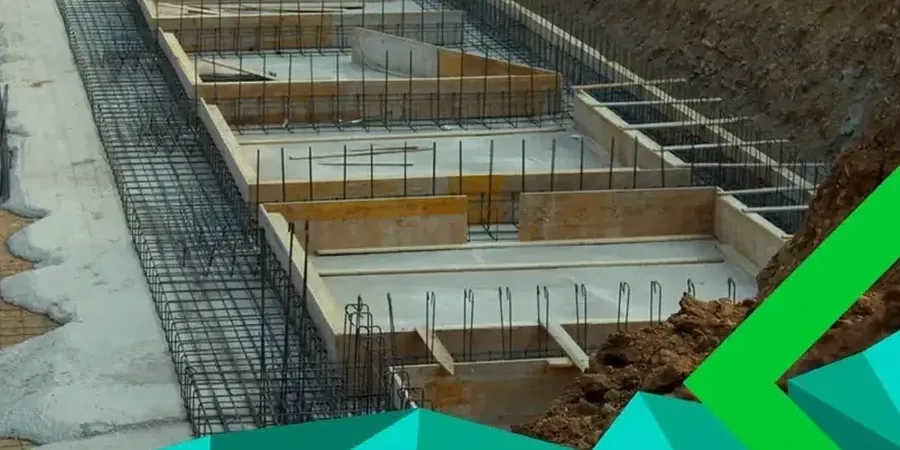
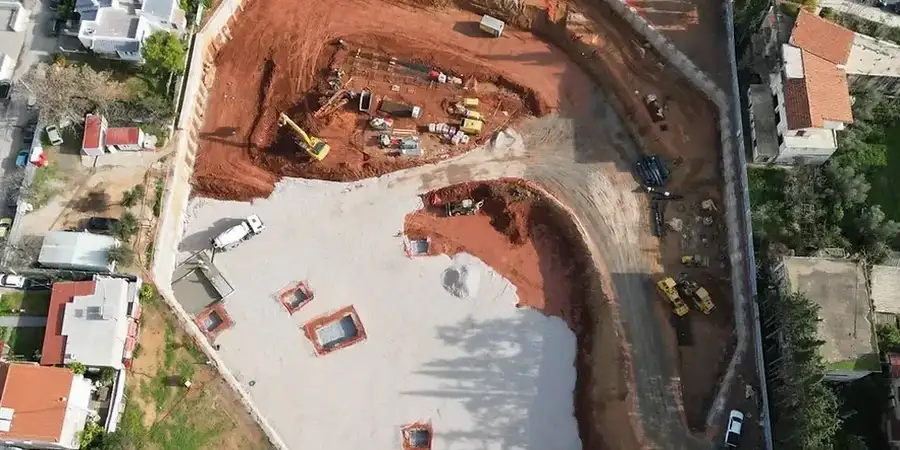
The design of deep excavations in Huntsville, Alabama, must comply with the International Building Code (IBC) and ASCE 7 standards, but code compliance alone doesn't guarantee stability. The Mississippian-age Tuscumbia Limestone and Fort Payne Chert under most of the city create a karst landscape with solution cavities, pinnacled rock, and erratic soil-over-bedrock interfaces. These conditions demand more than textbook retaining systems. In downtown Huntsville, where excavation depths near Cummings Research Park often exceed 20 feet, undocumented voids are a routine discovery. Our team integrates seismic refraction to map the rockhead before a single bucket breaks ground. When the stratigraphy suggests deep residual clays over weathered limestone, we combine the excavation design with a CPT investigation to define the transition zone without the disturbance of conventional drilling. The goal is a support system that works with the karst geometry, not against it.

In karst terrain, a deep excavation is a controlled exploration — the design must adapt to what the ground reveals, often within hours of cutting.
Our service areas

Process and scope

Soil and rock conditions vary sharply across Huntsville's neighborhoods. In the Five Points historic district, deep excavations often encounter stiff residual clays derived from weathered limestone — these materials stand well in the short term but lose strength if the excavation remains open during Alabama's winter rains. Just a few miles west, near the Tennessee River, alluvial deposits and softer chert rubble require immediate support. A soldier pile and lagging system that performs in the clay of Blossomwood may be inadequate for the caving ground in river-adjacent zones. We design excavation support using limit equilibrium analysis and numerical modeling (FEM) to simulate staged construction. Where the bedrock is shallow but fractured, we specify rock dowels and reinforced shotcrete facing. In deeper residual soil profiles, tied-back soldier beams with internal drainage become the primary retention strategy. The design always accounts for Huntsville's seasonal groundwater fluctuation, which can shift the phreatic surface by several feet between August and February, altering lateral earth pressures significantly.
Deep Excavation Design in Huntsville, AL — Karst & Bedrock Engineering
Technical reference — Huntsville

Local geotechnical context

North Alabama's climate imposes a distinct hydrological cycle. Winter and spring bring sustained rainfall that saturates the upper weathered rock zone. In Huntsville, the contrast between dry summer groundwater profiles and winter high stands is pronounced — a deep excavation dewatered successfully in September can flood in January if the design underestimates seasonal recharge through karst conduits. The greater risk is not total collapse but progressive raveling behind the lagging. When fines migrate into open joints in the limestone, ground loss at the surface follows. This settlement damages adjacent utilities and building foundations far beyond the excavation footprint. We specify compaction grouting or chemical grouting to seal karst pathways behind the wall face where monitoring indicates material loss. Every deep excavation design in Huntsville includes a contingency plan for suddenly encountered voids, a requirement often overlooked in generic designs that assume continuous soil strata.

Need a geotechnical assessment?

Reply within 24h.

Email: contact@geotechnical-engineering1.org

Reference standards

IBC 2021 (Chapter 18 — Soils and Foundations), ASCE 7-22 (Minimum Design Loads for Buildings), OSHA 29 CFR Part 1926 Subpart P (Excavations), FHWA GEC No. 4 — Ground Anchors and Anchored Systems

Technical data

ParameterTypical value
Maximum excavation depth (with tiebacks)60 ft
Typical bedrock (Tuscumbia Limestone) UCS3,000 - 8,000 psi
Active earth pressure methodTerzaghi & Peck apparent pressure diagrams
Groundwater control methodDeep wells or eductor system (cherty zones)
Software for FEM analysisPLAXIS 2D/3D or Rocscience RS2
Design adhesion factor (weathered limestone)α = 0.45 - 0.60
Monitoring trigger threshold0.5 in. lateral movement at adjacent footing
Applicable codeIBC 2021 / ASCE 7-22

Questions and answers

What is the typical cost range for deep excavation design in Huntsville?

Engineering fees for geotechnical design of deep excavations in Huntsville typically range from US$1,910 for a small, straightforward cut to US$7,720 for a complex urban site requiring numerical modeling, tieback design, and dewatering analysis. The final cost depends on excavation depth, proximity to adjacent structures, and the level of karst investigation required.

What are the key geotechnical challenges for deep excavation in Huntsville?

The dominant challenge is karst limestone. The Tuscumbia Limestone formation contains solution cavities, pinnacles, and highly variable rock surface topography. A second challenge is the seasonal groundwater fluctuation, which can change lateral earth pressures by 20 percent or more between dry and wet seasons.

How do you design an excavation support system in karst terrain?

We start with a detailed subsurface investigation using seismic refraction or electrical resistivity to map the rock profile. The support system is then designed with enough flexibility to accommodate localized overbreaks, and we include a pre-construction grouting program for any major cavities detected within the zone of influence.

What monitoring is required during construction of a deep excavation in Huntsville?

We specify inclinometers behind the wall, optical survey points on adjacent structures, and piezometers to track groundwater levels. In karst areas, we also recommend periodic inspection of the exposed face for signs of raveling or cavity exposure. Readings are taken at least weekly, with daily checks after heavy rainfall events.

Location and service area

We serve projects in Huntsville and surrounding areas.

View larger map